Kanchanjunga Trekking with Lumbasumba Pass
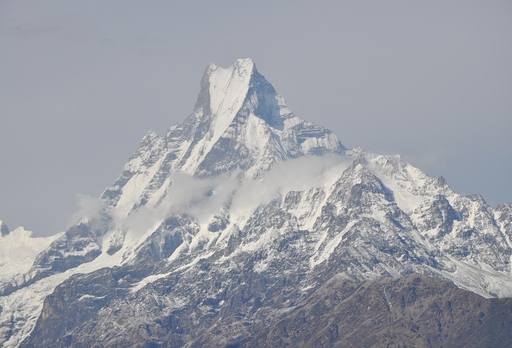
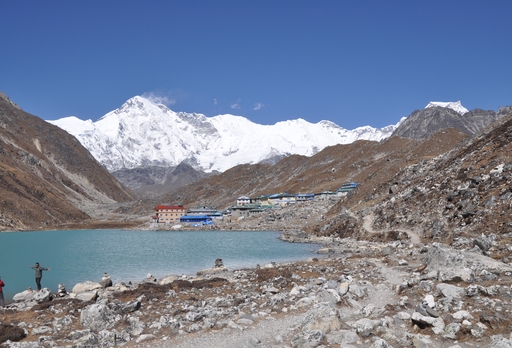
The Kanchenjunga North Base Camp Trek leads to Pangpema Camp (5,163 m), situated at the foot of the immense north face of Mount Kanchenjunga (8,586 m), the third-highest mountain in the world. It is considered one of the most remote and unspoiled trekking routes in the Nepalese Himalayas and passes through the Kanchenjunga Conservation Area.
This trek is an adventurous route in Nepal that traverses the remote and pristine Kanchenjunga region. It is a relatively new trekking route that was opened to international trekkers only a few years ago.
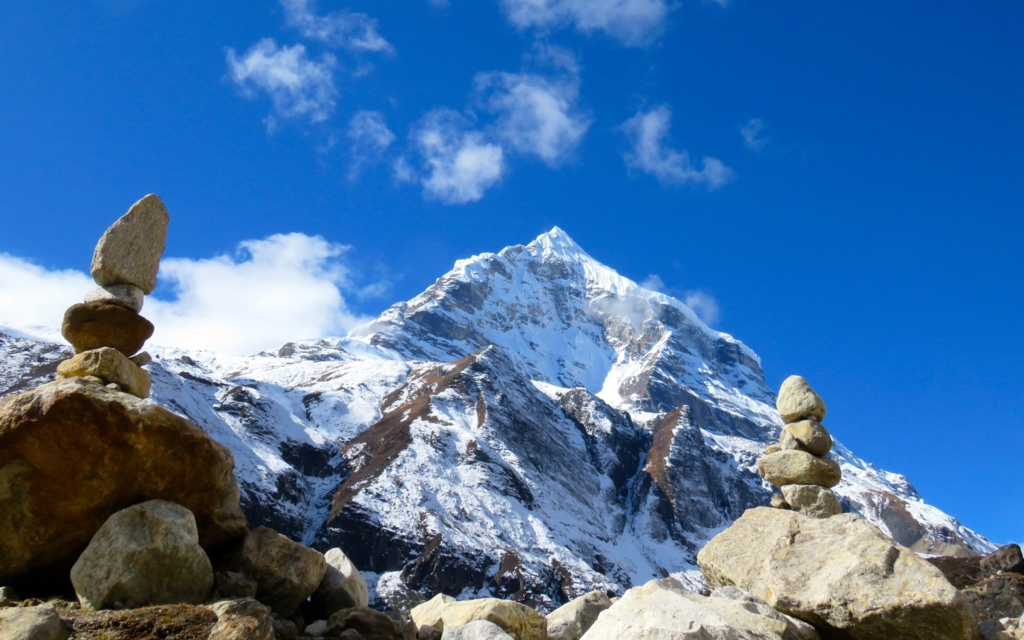
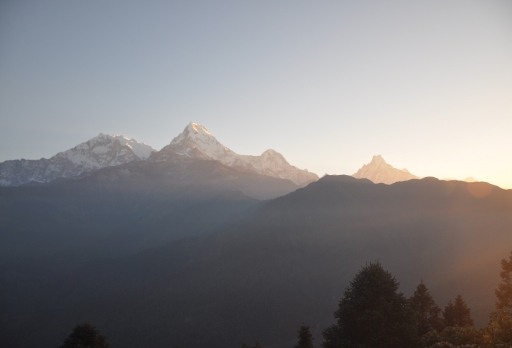
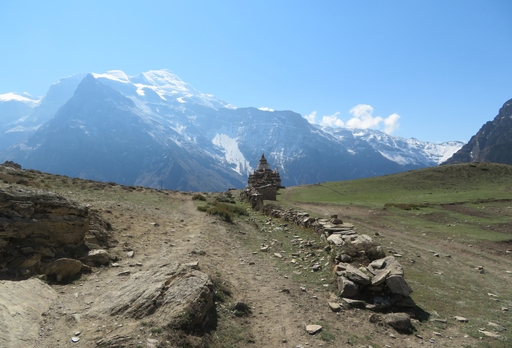
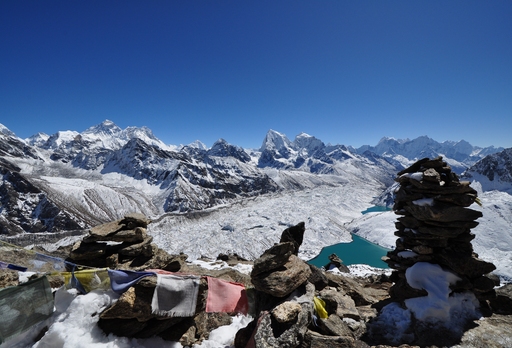
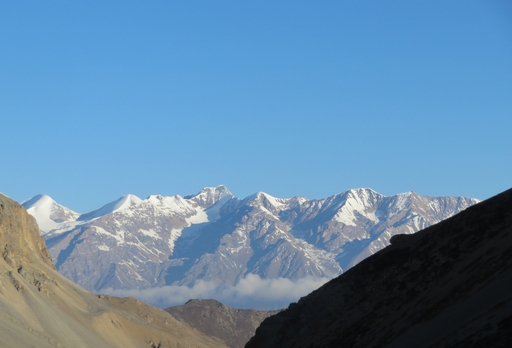
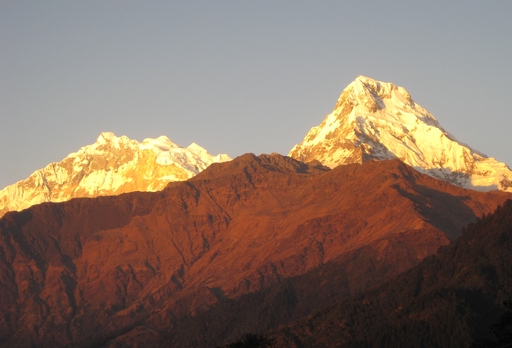
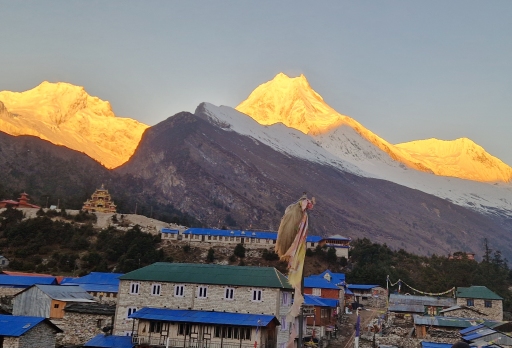
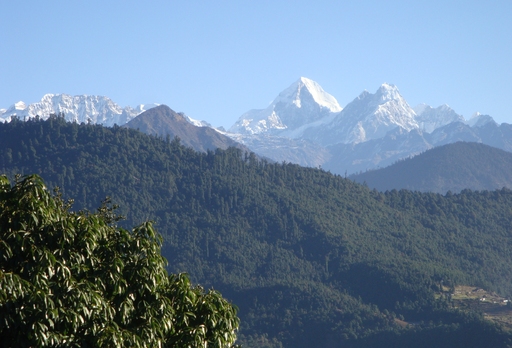
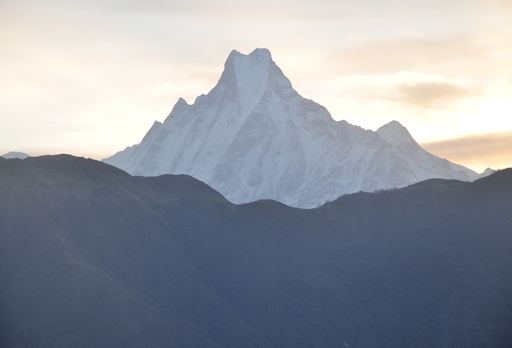
The journey begins in the town of Taplejung / Sekhathum Zero Point in eastern Nepal and passes through picturesque villages, dense forests, lush valleys, and high mountain passes. Along the way, trekkers are rewarded with breathtaking views of the majestic peaks of Kanchenjunga and Kumbhakarna, also known as Jannu.
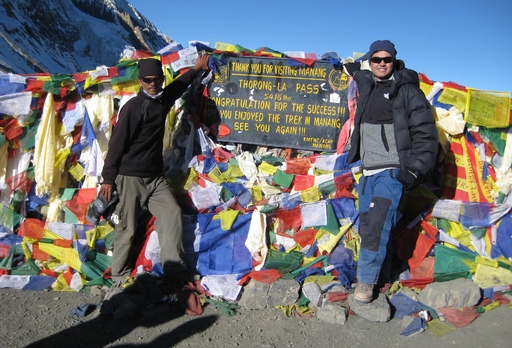
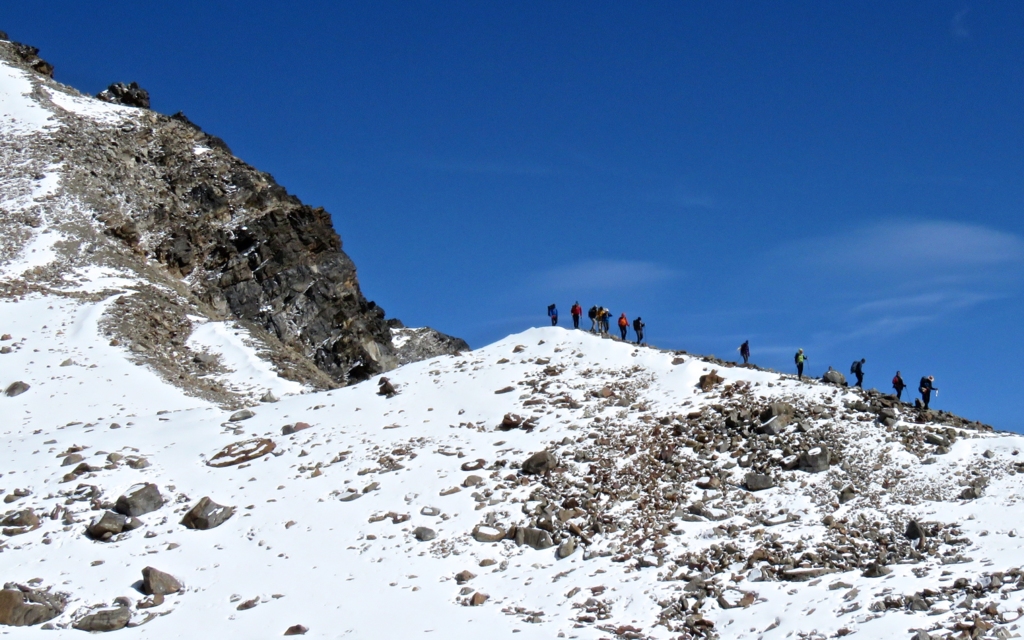
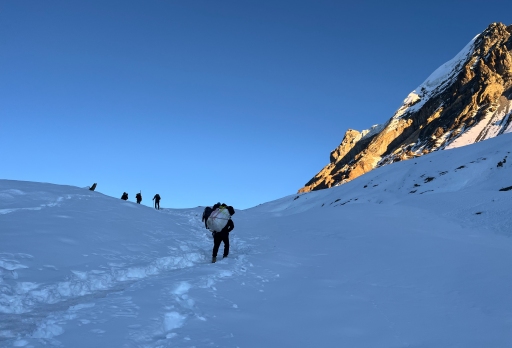
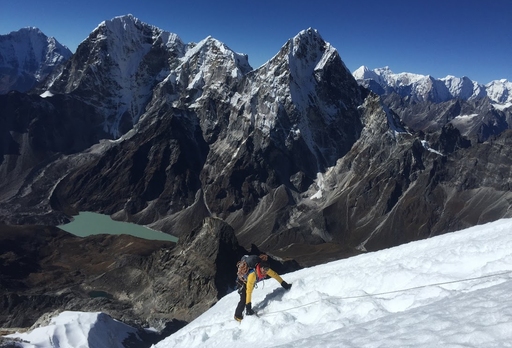
During the trek, hikers also cross the Lumbasumba Pass, which lies at an altitude of approximately 5,163 meters. This pass presents a significant challenge due to its steep and demanding terrain, but the effort is rewarded with spectacular panoramic views.
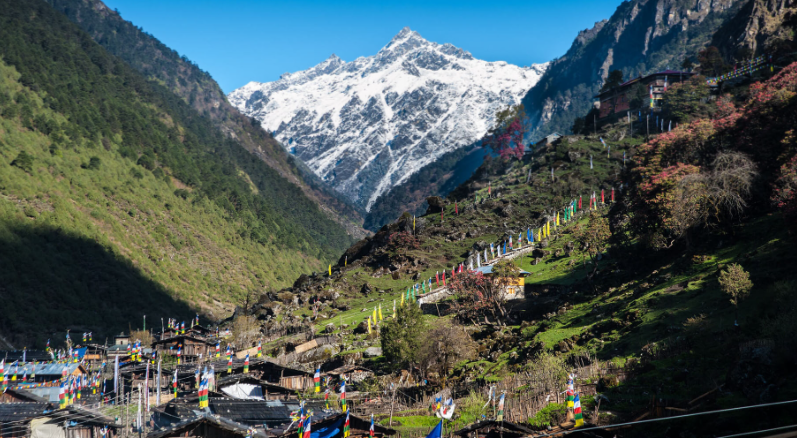
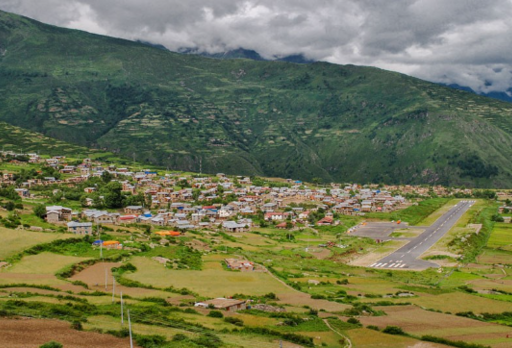
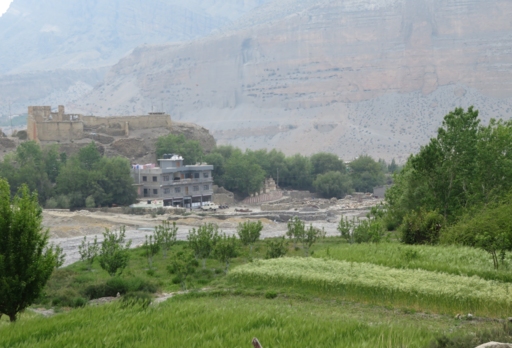
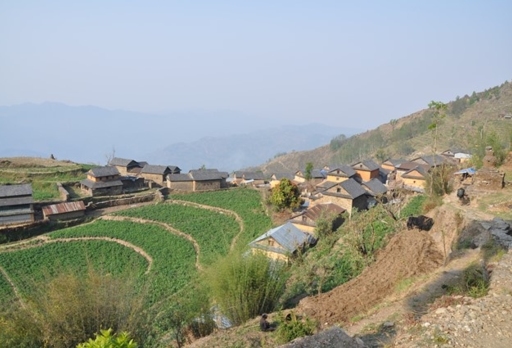
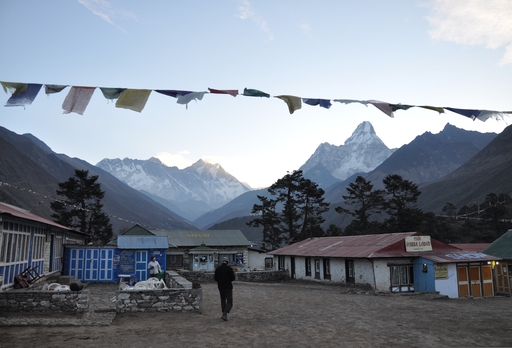
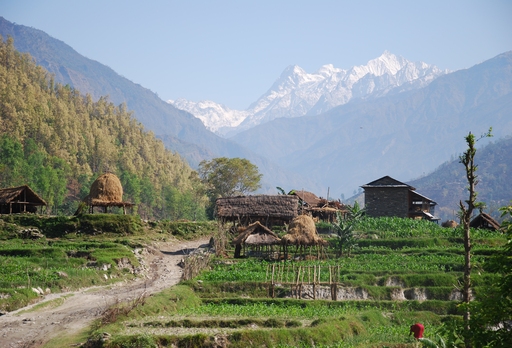
The route continues through remote valleys and past traditional villages where local communities maintain their simple way of life. Trekkers have the opportunity to experience the unique culture and lifestyle of the ethnic groups living in this region, including the Sherpa, Rai, and Limbu peoples.
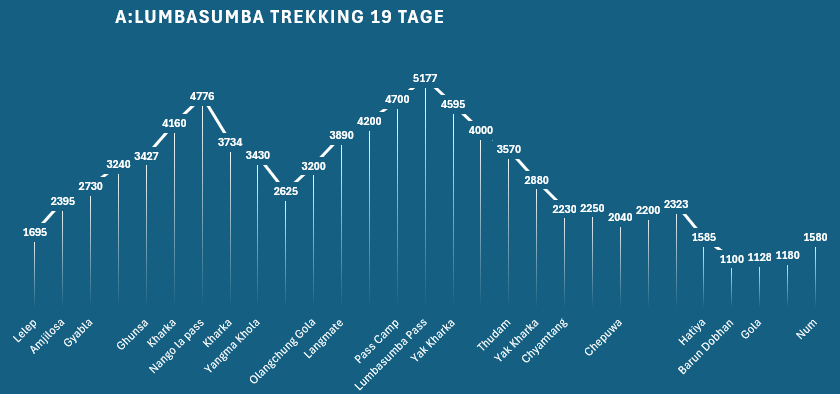
1. Day - Arrival in Kathmandu
Transfer from the airport to the hotel and free time at your leisure.2. Day - Sightseeing Kathmandu
You will be accompanied on a city tour while our team prepares for the trek. After breakfast, you will be picked up for sightseeing.
The first stop is Durbar Square, one of the oldest parts of the city, famous for its traditional architecture. Most of the buildings date back to the 16th century, although they have been renovated over the years.
After lunch, we drive to Swayambhunath, a famous landmark situated on a hill in the middle of the Kathmandu Valley. From here, you can enjoy panoramic views of the entire valley. The hill is home to a temple, a stupa, and a monastery, all of great significance to both Hinduism and Buddhism. Swayambhunath is also known as the “Monkey Temple”because many macaque monkeys live around the hill. They are not afraid of people and may come very close to visitors sometimes even stealing cameras or other valuables. Keep a firm hold on your belongings.3. Day - Flight from Kathmandu to Bhadrapur and Drive to Taplejung (1,820 m)
The flight takes approximately 1 hour, followed by a private vehicle transfer of around 10 hours.4. Day – Drive to Sekhathum and Trek to Lamatar (1,885 m)
The trek follows the Ghunsa Khola River to Lamatar. The village has a small but cozy lodge located in the home of a Sherpa family, offering an authentic insight into local life.5. Day – Trek to Gyabla (2,730 m)
The trail follows the Ghunsa Khola for about an hour before ascending to Amjilosa (2,400 m). The route then alternates between uphill and downhill sections through bamboo and chestnut forests, home to red pandas and brown bears. Lunch is served in Thayanyan. After lunch, the trail continues uphill to Gyabla, a small village consisting of about five houses that also serve as lodges for trekkers.6. Day – Trek to Ghunsa (3,540 m)
The trail follows the Ghunsa Khola more or less straight ahead. Shortly before Phale, there is a gentle ascent. Beyond Phale, the route continues north along a beautiful trail for about two hours to Ghunsa. Ghunsa is a larger village with more comfortable lodges. It has a police post, health center, bakery, bars, and other facilities for trekkers.7. Day – Acclimatization Day in Ghunsa
8. Day – Trek to Kambachen (4,200 m)
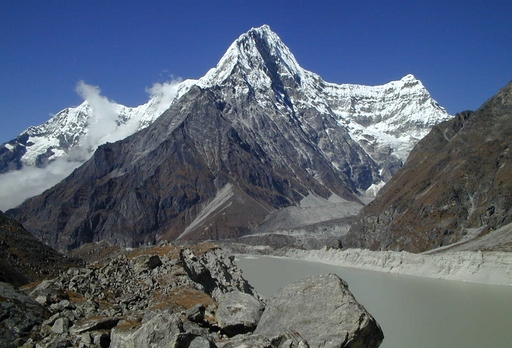
The trail begins relatively flat through a rhododendron forest. Along the way is a sacred site of the Kirat people, an ethnic group from eastern Nepal. Later, the trail climbs steeply and offers spectacular views of Kumbhakarna (Jannu, 7,711 m), a mountain considered sacred by the Kirat. The route then continues fairly level toward the valley of the Nupchu Khola. With some luck, you may even spot a snow leopard.9. Day – Trek to Lhonak (4,780 m)
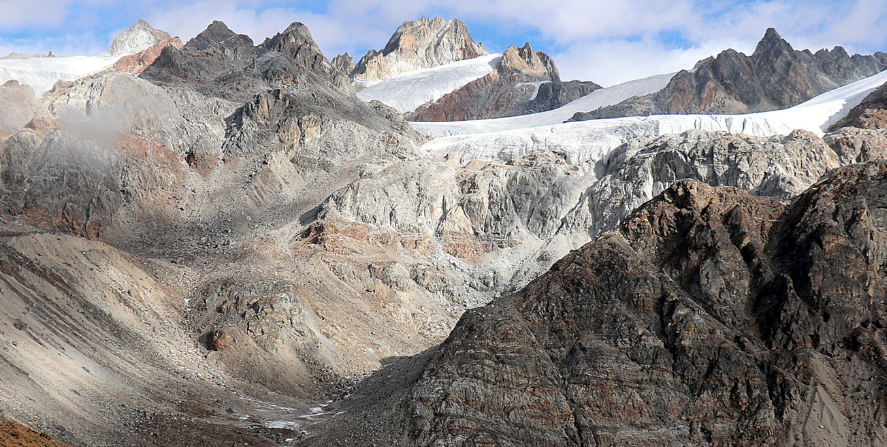
The trail heads northeast through meadows, moraine landscapes, and rocky terrain. There are several areas prone to rockfall, so the group should stay together. After crossing the Lhonak Glacier, you reach a broad plain where the lodge settlement of Lhonak is located.10. Day – Trek to Kanchenjunga North Base Camp (5,153 m) and Return
Early in the morning, you trek east along the Kanchenjunga Glacier. The route to base camp changes frequently due to shifting moraine terrain. Although very rare, there is a chance of spotting a snow leopard or at least its tracks. Other wildlife, such as mountain goats, can often be seen.
After about three hours, you arrive at the base camp and enjoy spectacular views of Kanchenjunga. You then return to Lhonak along the same route.11. Day – Return Trek to Ghunsa
After breakfast, you retrace your steps back to Ghunsa.12. Day – Rest Day in Ghunsa
After four demanding trekking days and with another challenging stage ahead, a rest day is scheduled in Ghunsa.13. Day – Trek to Langjong Kharka (3,740 m) via Nango-La Pass (4,800 m)
The trail initially leads back toward Phale. About halfway before reaching Phale, a path branches off to the right and climbs uphill via stone steps. Forest extends up to approximately 3,900 meters, after which the landscape becomes more open and rocky.
After crossing the Nango-La Pass, the trail descends steeply before continuing along the Hasa Khola through rhododendron forest to Langjong Kharka.
Tonight, accommodation is in tents, as there is only a simple hut without lodging facilities. Dinner is prepared by the trekking crew and is fairly basic.14. Day – Trek to Olangchung Gola (3,232 m)
The trail descends through bamboo, pine, and rhododendron forests. After reaching the Yangma Khola, the route follows the river downstream before climbing along a forested mountainside. There is a chance of seeing a red panda in this area. The river flows through a very deep gorge.
After reaching the Tamor River, you follow a dirt road uphill to Olangchung Gola. This village is the last settlement before the Chinese (Tibetan) border. Chinese influence is noticeable here, especially through inexpensive imported goods.15. Day – Rest Day in Olangchung Gola
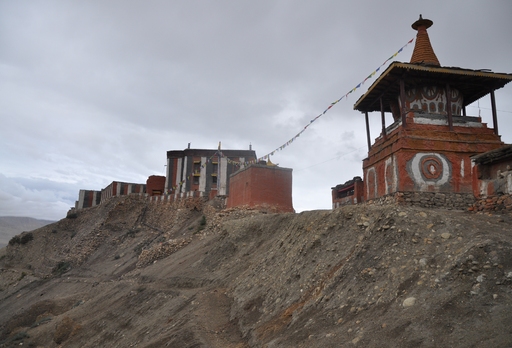
After two strenuous trekking days and with the Lumbasumba Pass still ahead, today is a rest day. It allows you to recover and prepare for the pass crossing. The village is also beautiful and offers the opportunity to visit its monastery.16. Day – Trek to Sanjung (4,010 m)
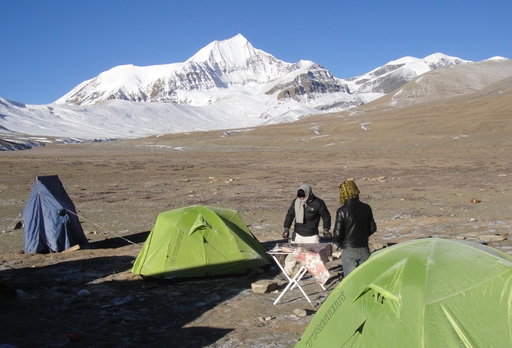
The trek begins along the road toward Tibet. At Langmale, you leave the valley and head west. In Sanjung, there is a teahouse where you can eat, but the trekking crew will set up camp for the night. The campsite is located in a meadow surrounded by rhododendron forest.17. Day – Trek to Pass Camp (4,630 m)
Today is a shorter but more demanding trek in terms of altitude gain. At Pass Camp, there is an unattended hut where the crew prepares meals. Overnight accommodation is in tents.18. Day – Trek to Yak Kharka (4,800 m) via Lumbasumba Pass (5,153 m)
An early start is essential. Immediately after leaving Pass Camp, the trail climbs steeply. After about two hours, it turns westward and continues through rocky terrain. At around 5,000 meters, you reach a pass that may appear to be the Lumbasumba Pass—but it is not. After another hour of gentle ups and downs, you finally reach the actual Lumbasumba Pass. From the pass, the trail descends steeply into the left-hand valley toward Yak Kharka. The crew prepares dinner, and overnight accommodation is in tents.19. Day – Trek to Thudam (3,600 m)
The route continues downhill along the Lapsi Khola to Thudam. This village is the last settlement before the Tibetan border. Here, you will stay in a simple lodge.20. Day – Trek to Yak Kharka (2,800 m)
The trail first descends through beautiful, peaceful forests. After about an hour, it climbs again and later traverses a mountainside. Some sections are narrow and exposed, so caution is advised. In the afternoon, the route descends through a bamboo forest before continuing on a gentler trail to Yak Kharka.
A simple family-run lodge provides accommodation. Meals are served in the family kitchen, with Dal Bhat being the specialty.21. Day – Trek to Chyamtang (2,300 m)
The trail ascends and descends to the Arun River, then climbs through terraced fields to Chyamtang. This is a large village with lodges, shops, and road access. Today is your final trekking day.22. Day – Drive to Num
You will be transferred by jeep along a dirt road to Num.23. Day – Drive to Tumlingtar
You will continue by jeep along the dirt road to Tumlingtar.24. Day - Flight to Kathmandu
25. Day - A Day in Kathmandu
26. Day - Depature Kathmandu
- Flexible daily routine
The daily routines described must be considered somewhat flexible, as they are adapted to local conditions (weather, new paths, etc.) as well as to your constitution. Your guide will plan and discuss the next day with you in the evening.
Nature Trails / JeepsOn the whole trek, a natural road has been built. However, you rarely encounter vehicles. This is actually an advantage for us, as you can compensate for possible flight delays with a jeep and still achieve the goal.
Include
- 2 nights Hotel in Kathmandu with breakfast
- Pick up and Drop service
- Kathmandu sightseeing
- All Transportation connecting to Trekking
- Flight Kathmandu - Bhadrapur and Tumlingtar - Kathmandu
- Meals and Accommodations during the Trek
- Trekking Guide
- Porters
- Trekking permit.
- Satellite Telephone
- Trekking insurance for trekking Crew
- Trekking bag of Himalaya Trekking
Exclude
- International Flight to Kathmandu and back
- Tips
- meals in Kathmandu
- Aditional Accommodations in Kathmandu
- All drinks
Requirements
You will find the level of difficulty and the type of accommodation of each journey in the program.
Equipment
You are going to get an equipment list as recommendation together with your travel documents. The equipment for a tent trekking (tent, mattresses etc.) will be organized locally.
Luggage
You are allowed to check in 20 kg as well as you can take 5 kg of hand luggage with you. If you would like to travel with a trolley case, we kindly ask you to take an additional big backpack with you. Luggage which you do not need while trekking can be deposit for free in Kathmandu.
Entry
For the entry to Nepal you need a passport which is valid further than 6 month after your departure date. You will receive your visa upon your arrival at the airport in Kathmandu. You will be told about the visa expenses while booking, since the fee changes from time to time.
Health
Himalaya Trekking suggests seeing your doctor or a tropical doctor as early as possible so you will be informed about current provisions regarding injections. Pharmacy or a doctor will help you regarding your personal trip first aid travel kit.
Group size
Himalaya Trekking guarantees for every tour. We do not have any minimum size for a group, but we do have a maximum of 12 persons per tour.
Tour program
The daily program should be seen as very flexible since we have to consider the local circumstances as well as your physical condition. Your guide will plan with you every evening the next day.
Travel documents
You are going to receive the detailed travel documents with general information as well as your flight tickets 2 to 3 weeks before departure.
Tipping
The tip for the local guides and carrier are not included in the travel costs. It is common to tip them for a good performance.
Accommodation and meals
The overnight stays in Kathmandu and Pokhara will be in a middle class hotel. The restaurants can be chosen individually, as lunch and dinner are not included in the travel costs.
During a lodge trekking the hike will be trough village to village. You will stay overnight in a basic hostel and you are going to have your meals there or in a restaurant on the way. During the camp trekking you are going to stay in one man or two-person tents and all the meals will be provided by private cook.
Insurance
Himalaya Trekking recommends having travel insurance as well as a cancellation protection. We also recommend having a copy of your police with you.
Climate
The weather in Nepal is nice. The summer is together with the monsoon season from June to October, the rest of the year is dry. There is mild climate in the Kathmandu valley, during the summer time around 20-30°C and in the winter time around 0-15°C.
Please consider the climate for your travelling plans, since the county covers a height form 75 MASL to 8848 MASL. Therefor the climate changes and if you are in the wrong place to the wrong time you will probably not see the Himalaya. However there still is a suited journey for every time period!
Kontinent : AsienLandesgrenze : Im Norden: Himalaya (Tibet /China), Im Süden, Osten und Westen: Indien Lage : 26°20'- 20°26' Längengrad
80°03'- 88°26' BreitengradEinwohner : ca.29 Millionen Hauptstadt : Kathmandu (1350 M. ü. M) ca. 4 Millionen Einwohner Höchster Punkt : 8848 M. ü. M. (Mount Everest) Tiefster Punkt : 75 M. ü. M. (Terai) Baumgrenze : ca. 4500 M. ü. M. Schneegrenze : ca. 2500 M. ü. M. im Winter Himalaya (Berge) : 15% des Landes über 3000 M. ü. M. Hügelland : 68% des Landes 500 M. ü. M. - 3000 M. ü. M. Terai(Flachland) : 17% des Landes unter 500 M. ü. M. Tiere : Tiger, Nashorn, Elefant, Panda, Schneeleopard, Kuh, Yak, Wasserbüffel, 800 verschiedene Vogelarten, je nach Höhe Religionen
: Hindu 85%
Buddhisten 10%
Moslem 3%
Sonstige 2%Kasten : Brahmanen
Tschetri
Baishja
Sudra (Unberührbare)
61 verschiedene VolksgruppenSprache : Nationalsprache ist Nepali
Über 70 weitere lokale Dialekte und Sprachen
Englisch ist obligatorisch in der SchuleAnbau : Reis , Hirse, Buchweizen, Weizen, Kartoffeln,
Bananen, Mango, Ananas, Äpfel und viele andere Früchte und Gemüse je nach Temperatur und HöheTextil : Pashmina und Wollproduktion aus Yak Wolle Haupteinkommen : Agrar-Wirtschaft, Tourismus und Auslandarbeit. 
- Individual date request
Departure Date Vacant Places Days Price per Person 07 March 2027 9 20 CHF 4'270.00 Inquiry
Inquiry